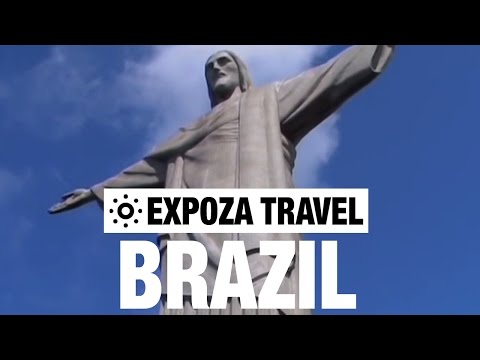
Brazil is the largest country in South America and fifth largest in the world. Famous for its football (soccer) tradition and its annual Carnaval in Rio de Janeiro, Salvador, Recife and Olinda. It is a country of great diversity, from the bustling urban mosaic of São Paulo to the infinite cultural energy of Pernambuco and Bahia, the wilderness of the Amazon rainforest and world-class landmarks such as the Iguaçu Falls, there is plenty to see and to do in Brazil.
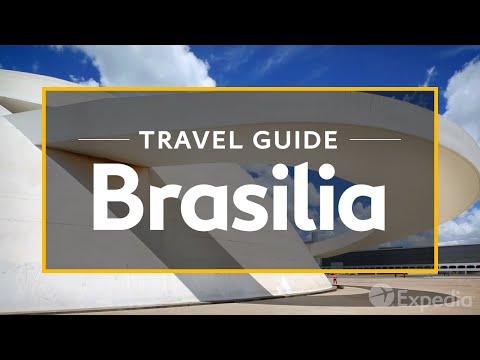
Brazil’s innovative capital, Brasília, was designed from scratch on a plateau in the heart of the country. From above the city centre looks like a bird in flight with the spacious Praça dos Três Poderes and the Modernist-style Planalto Palace at its heart, The Monumental Axis forms the body and it’s flanked by an impressive collection of cutting-edge architecture.
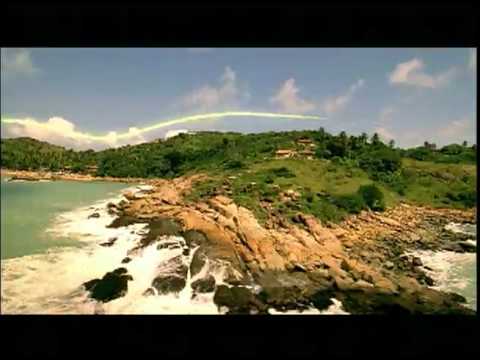
Brazil is the largest country in Latin America. It spreads across almost half of South America, and occupies a total area of 8,5 mio km2. It is the fifth largest country in the world. Except for a small number of islands, Brazil is a single and continuous landmass. The Equator crosses through the Northern region, near Macapa, and the Tropic of Capricorn cuts through the South of the country, near São Paulo. The official language is Portuguese; the accent and the intonation, however, are very different from what one hears in Portugal and other former Portuguese colonies. Some people say [More]
Now is a good time to plan a trip to Brazil – and not just because the World Cup will be held there in 2014 and the Olympic Games two years later. We’ll get a chance to assess Brazil’s capacity for organisation when the FIFA Confederations Cup kicks off in June. There is no doubt, though, that thanks to the growing strength of the economy, and the improved infrastructure required for those two later events, the country is safer and easier to travel around than ever before. After decades of overselling a handful of tried and tested beach destinations, Brazil [More]
 Total views : 2164608